


Stainless Steel Stud Bolt
Jiaxing Yuchao Hardware: Your Trustworthy Bolt Supplier Our company was established in 1984. We are a company specializing in the production and processing of customized non-standard bolts, automotive bolts, furniture bolts, stamping parts.
Jiaxing Yuchao Hardware: Your Trustworthy Bolt Supplier
Our company was established in 1984. We are a company specializing in the production and processing of customized non-standard bolts, automotive bolts, furniture bolts, stamping parts, nuts, various hardware accessories and other products. We have a complete and scientific quality management system.
Wide Range of Products
We can produce or customize non-standard bolts, automotive bolts, furniture bolts, stamping parts, nuts, various hardware accessories and other products. Our products can be used in furniture, construction sites, digital products, etc.
Quality Assurance
Our products have ISO9001 certificates, CE certification, SGS and other certificates. Our products are 100% factory tested and well packaged and come with a 5 year warranty for you. And all our products comply with industry standards such as ASTM or ANSI.
Advanced Equipment
We have the most advanced multi-station cold heading machines, CNC machining centers, CNC machine tools, optical screening machines, optical projections, hardness testing machines, tensile testing machines, etc. on the market today. Our strength and product quality are recognized by the industry.
Leading Service
We complete the R&D, production, marketing, sales and technical support processes independently. Whether you want to buy craft hardware of any shape or material, or nut fasteners of different structures and sizes, you just need to send your requirements via email, and we can customize the product for you. We also accept OEM customization.

Our Hex Head Flange Bolt is made with high-quality materials that provide strength and durability to ensure it can withstand varying conditions. Our bolts feature high-grade steel, which means they are able to maintain their strength in harsh conditions.

Full Thread Hexagon Bolt is a highly popular product in the world of manufacturing, construction and engineering. It is an essential component where the transfer of heavy loads or strict tolerances are involved. These bolts are designed to meet the highest industry standards for quality and performance.

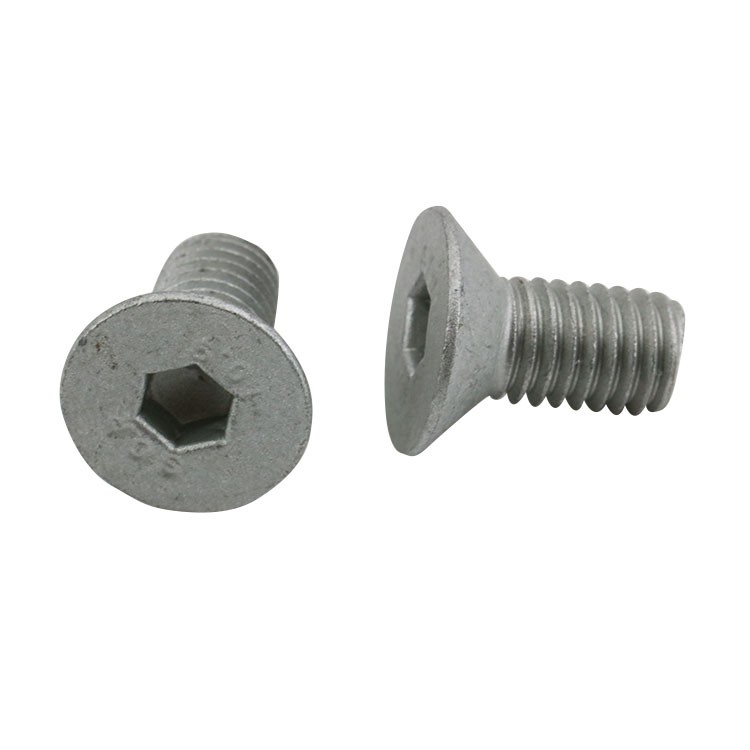
Flat Head Allen Key Bolt is a common fastener in daily life. Although it is small, it has a huge effect. Whether it is a small cabinet or a huge aircraft, bolts are required. According to its name, the cylindrical head of the bolt is hexagonal. This shape is designed to increase the bearing surface so that the bolt can withstand higher loads.

Designed with a hexagonal head on one end and a shaft of unthreaded length on the other end, the Hex Shoulder Bolt is a fastener typically used in applications where axial positioning, rather than threading, is required. The shoulder allows for greater precision during assembly, while the hexagonal head offers a wider bearing surface to prevent stripping.

Our Stainless Steel Hex Head Bolt is incredibly strong and sturdy, thanks to its precise engineering and exacting manufacturing standards. This bolt is designed to bear heavy loads and maintain its strength even in the harshest conditions. It is ideal for use in high-stress applications such as construction equipment, transportation machinery, and aviation equipment.
Our hex head bolt is made from high-quality stainless steel. It's a material that has excellent resistance to corrosion, rust, and wear, which means that our bolt is ideal for use in harsh environments. Additionally, our stainless steel is also non-magnetic, which means that you can use it in applications that require non-magnetic fasteners.

The Hexagon Socket Head Cap Bolt is a type of fastener that has a hexagonal head and a threaded shank. Its head features an internal hexagon that allows for easy installation and removal using a hex key. The threads on the shank of the bolt are precision-cut to ensure a secure and tight fit when used in conjunction with a matching nut or threaded hole.

A dowel pin is a small cylindrical component that is often used to join two or more mechanical parts together. It acts as an alignment tool and helps to reduce the wear and tear on the parts that it connects. Dowel pins offer significant benefits; they aid in reducing the weight, vibration, noise, and damage caused by friction by ensuring that parts remain fixed in their correct position.

Round Head Bolt With Square Neck
This Round Head Bolt with Square Neck has many advantages. The most notable feature is its long service life. This is because the product is resistant to certain acidic substances and has good water resistance, so it is not easy to rust and damage, so the service life is naturally longer.
What is Stainless Steel Stud Bolt
A stainless steel stud bolt is a type of threaded fastener that is used to secure objects together. It is made from stainless steel, which has high resistance to corrosion and can withstand extreme temperatures. The stud bolt has a straight shank with threads on both ends, and it is primarily used to connect two flanges together in piping systems. It can also be used in other applications that require a high level of strength and durability. The stud bolt can be tightened with a nut to create a secure connection between the two objects.
Features of Stainless Steel Stud Bolt
Corrosion Resistance
Stainless steel is known for its excellent corrosion resistance. Stainless steel studs bolt is rust and stain resistant, making them ideal for use in environments where you may be exposed to moisture, chemicals, or harsh weather conditions. This resistance ensures the longevity and reliability of the studs in a variety of applications.
Strength and Durability
Stainless steel studs bolt is strong and durable. They can withstand high levels of tensile and shear stress, making them suitable for applications requiring a strong fastening solution. Whether used in construction, machinery or heavy equipment, stainless steel studs provide reliable and long-lasting connections.
Temperature Resistance
Stainless steel maintains its mechanical properties over a wide temperature range. This temperature stability makes stainless steel studs suitable for applications involving extreme temperatures, whether it is high-temperature processes in industrial settings or low-temperature applications in low-temperature environments.
Low Maintenance
Stainless steel studs require minimal maintenance. Their corrosion resistance means they do not degrade quickly, reducing the need for frequent replacement or maintenance. This low maintenance requirement saves costs in the long run.
Types of Stainless Steel Stud Bolt

Austenitic Stainless Steel Stud Bolts
Austenitic stainless steel stud bolts are made from a type of stainless steel that contains high levels of chromium and nickel. These bolts offer excellent corrosion resistance, high strength, and good weldability. They are commonly used in applications that require high levels of reliability and durability, such as marine, chemical, and food processing industries.
Ferritic Stainless Steel Stud Bolts
Ferritic stainless steel stud bolts are made from a type of stainless steel that contains high levels of chromium, which makes them highly resistant to corrosion. They also have excellent resistance to stress corrosion cracking, making them an excellent choice for applications that have high tensile requirements. Ferritic stainless steel stud bolts are also suitable for applications that require good magnetic properties.
Martensitic Stainless Steel Stud Bolts
Martensitic stainless steel stud bolts are made from a type of stainless steel that contains high levels of carbon and low levels of nickel. They are known for their hardness, strength, and good wear resistance. They offer excellent corrosion resistance and are suitable for applications such as pumps, valves, turbines, and other equipment that requires high strength and durability.
Duplex Stainless Steel Stud Bolts
Duplex stainless steel stud bolts are made from a type of stainless steel that contains a mixture of austenitic and ferritic phases. They offer excellent resistance to stress corrosion cracking, high strength, and good weldability. Duplex stainless steel stud bolts are commonly used in the oil and gas industry, chemical processing, and other applications that require durability, resistance to corrosion, and high strength.
Super Duplex Stainless Steel Stud Bolts
Super duplex stainless steel stud bolts are made from a type of stainless steel that contains high levels of chromium, molybdenum, and nitrogen. They offer superior corrosion resistance, high strength, and good weldability. Super duplex stainless steel stud bolts are widely used in the chemical and petrochemical industry, oil and gas industry and marine applications.
Precipitation Hardening Stainless Steel Stud Bolts
Precipitation-hardening stainless steel stud bolts are made from a type of stainless steel that contains high levels of hardening elements such as copper, aluminum, and titanium. They offer excellent corrosion resistance, high strength and can be hardened by heat treatment to achieve higher hardness and strength. Precipitation hardening stainless steel stud bolts are used in applications that require high strength and wear resistance, such as aerospace and oil and gas industries.
Forging
Forging is the first step in producing stainless steel bolts. In this process, the metal is heat worked into the desired shape and size. Normally, this process takes a lot of time and energy to soften the steel, so it needs to be operated at high temperatures of several hundred degrees.
Processing
After the billet is forged into shape, it needs to be cut to the required size. This requires cutting or turning with a specialized machining tool to machine the billet into a set size and type of bolt.
Steel Core Manufacturing
In the production process of stainless steel bolts, the steel core is a very important component and is often used to replace the standard steel core. Stainless steel cores can withstand higher pressures and are more durable. In the production of steel cores, stainless steel is shaped using techniques similar to riveting or pressure.
Quenching
In the manufacturing process of stainless steel bolts, quenching is an important step in making the steel hard and durable. Durable steel is made by the rational application of modern quenching techniques, which also ensure that the steel does not cause unnecessary damage to cooling or heating.
Surface Treatment
The surface treatment of stainless steel bolts is very important, which can add some protective layer of adhesion and corrosion resistance to the steel surface. Surface treatments are often used to passivate the steel to protect it from rust or damage from other environmental factors.
How to Choose Stainless Steel Stud Bolt


Material Grade
The material grade is one of the most crucial factors to consider when choosing stainless steel stud bolts. The selection of the right grade depends on the application and the type of environment. The commonly used stainless steel grades for stud bolts are 304, 316, 316L, and 347. 304 is the most common and affordable option, while 316 an excellent choice for highly corrosive environments. 316L has improved corrosion resistance and is ideal for use in low-temperature environments. 347 is suitable for high-temperature applications and has enhanced creep resistance.
Thread Type
Another critical factor to consider when selecting a stainless steel stud bolt is the thread type. There are two types of thread types: UNC and UNF. UNC is the standard thread type and is used for most applications, while UNF is used for more precise and delicate applications like aerospace and medical industries.
Thread Length
The length of the thread plays an important role in the performance of the stud bolt. The appropriate thread length ensures that the bolt can make a secure connection between the objects being fastened. It is important to ensure the thread length is long enough to accommodate any nut used in the application and perform its functions effectively.
Diameter and Length
The diameter and length of the bolts determine their strength. Generally, the larger the diameter, the stronger the bolt. The length of the bolt should be carefully considered, as bolts that are too long or too short can cause safety hazards. The length of the bolt should be sufficient to ensure that the objects being fastened together are fixed securely.
Tensile Strength
Tensile strength refers to the maximum stress that a stud bolt can withstand without breaking. The strength of the bolt must be adequate for the application. Over-tightening or under-tightening of a stud bolt can cause stress on the bolt, resulting in premature failure.
Coatings and Finishes
Stainless steel stud bolts can be coated with various materials to improve their corrosion resistance and durability. Coatings like zinc, hot-dip galvanization, and epoxy can enhance the lifespan of the stud bolt.
How to Maintain Stainless Steel Stud Bolt
Regular Cleaning: The first step to maintaining stainless steel stud bolts is regular cleaning. Dirt, grime, and other debris can accumulate on the surface of the stud bolts, leading to corrosion and tarnishing. Using a soft-bristled brush, clean the stud bolts with warm soapy water. Be sure to remove any remnants of the cleaning solution with a clean rag.
Lubrication: Lubricating the stud bolts is another step in their maintenance process. Lubrication helps to prevent corrosion, reduce friction, and protect the surface of the stud bolts. Apply a light coat of lubricant to the stud bolts using a clean cloth.
Inspect For Damage: Regularly inspect the stainless steel stud bolts for signs of damage. Look for cracks, bends, and corrosion. Pay attention to the rusting of the stud bolt's threads, which are the primary components that hold the bolts in place. Replace any studs that are damaged or corroded.
Check the Tension: It is essential to check the tension of the stud bolts regularly. Ensure that all bolts are securely tightened and the connections are tight. Check for loose or broken bolts, nuts, or washers. Loose connections can lead to leaks or failure of equipment.
Avoid Contamination: Lastly, it is crucial to avoid contamination of the stud bolts. Foreign materials such as oil, dirt, or debris can cause damage to the bolts, leading to corrosion, rusting, or weakening of the bolts. Keep the working environment clean and free from any debris that could compromise the integrity of the bolts.
Applications of Stainless Steel Stud Bolt
Construction Industry
Stainless steel stud bolts are widely used in the construction industry for the installation of steel structures, concrete formwork and other building components. Due to their excellent strength and corrosion resistance, they are ideal for use in outdoor and marine environments.
Marine Industry
Stainless steel studs are ideal for offshore and marine applications because of their ability to resist corrosion caused by salt water and other harsh environmental conditions. They are commonly used on oil rigs, ships and other marine structures.
Chemical Processing Industry
The chemical processing industry uses stainless steel studs because of its chemical resistance, corrosion resistance, and high temperature stability. They are often used to secure machinery and tanks together that are exposed to harsh chemicals.
Power Generation Industry
The power generation industry also uses stainless steel studs in a variety of applications due to their ability to withstand high temperatures, pressure, and corrosion. They are used in power plants, turbines and other power generation equipment.
How to Design Stainless Steel Stud Bolt

Material Selection
Stainless steel stud bolts are typically made of austenitic stainless steels, such as 304, 316, or 321 grades. These alloys offer high corrosion resistance, strength, and ductility, making them suitable for a wide range of applications. The material selection should consider the specific requirements of the application, such as the temperature, pressure, and chemical environment, and choose the most appropriate alloy that can provide the desired properties.
Bolt Dimensions
The dimensions of the stainless steel stud bolt should be carefully determined based on the requirements of the joint or connection it is intended to create. The bolt's length, diameter, thread pitch, and thread type should be specified to ensure proper engagement and clamping force. The bolt's threads should be compatible with the mating nut or threaded hole and should be designed to prevent loosening or galling during use.
Thread Lubrication
Stainless steel stud bolts can experience galling or seizing when subjected to high loads or frictional forces. To prevent this, designers should specify the use of a suitable thread lubricant, such as a high-temperature anti-seize compound or a low-friction coating. The lubricant should be applied to both the bolt threads and the mating surfaces to reduce friction and wear and to ensure proper torque application.
Corrosion Protection
Stainless steel stud bolts are vulnerable to corrosion in certain environments, such as those containing chlorides, acids, or high temperatures. To protect the bolts from corrosion, designers can specify the use of corrosion-resistant coatings, such as passivation, electropolishing, or nickel plating. These coatings can provide a protective barrier against corrosion and extend the life of the stud bolts.
Quality Control
The design and manufacture of stainless steel stud bolts should follow strict quality control standards to ensure that the bolts meet the specified requirements. Quality control measures can include material testing, dimensional inspection, thread verification, surface finish evaluation, and torque testing. These tests can help identify any defects or issues that could affect the performance or reliability of the bolts.

How to Use Stainless Steel Stud Bolt
Choose the Right Type of Stud Bolt For Your Application
The first step in using stainless steel stud bolts is selecting the correct type for the job. Stud bolts are available in a variety of sizes and thread pitches, so it's important to choose the right one for your particular application. Factors to consider include the required load capacity, the strength of the material being fastened, and the type of environment the stud bolt will be exposed to.
Prepare the Work Surfaces
Before installing the stud bolt, it's important to prepare the work surfaces. This may involve cleaning the surface, removing any debris or dirt, and ensuring that the surfaces are flat and level. If the surfaces are not properly prepared, the stud bolt may not be able to hold the materials together properly.
Install the Stud Bolt
Once the work surfaces are prepared, the next step is to install the stud bolt. Begin by threading the stud bolt into the first component, turning it by hand until it is snug. If necessary, use a wrench to turn the bolt a few more turns, ensuring that it is securely in place. Then, thread the second component onto the stud bolt, turning it by hand until it is snug against the first component.
Tighten the Nut
With both components in place, the final step is to tighten the nut on the stud bolt. Use a wrench to turn the nut in a clockwise direction until it is snug against the second component. Be careful not to overtighten the nut, as this can damage the stud bolt or the components being fastened together.
Verify the Tightness
After tightening the nut, it's important to verify the tightness of the stud bolt. This can be done using a torque wrench, which will provide an accurate measurement of the amount of force being applied to the bolt. If necessary, adjust the tightness of the nut until it is within the recommended torque range.
Inspect the Installation
Finally, inspect the installation to ensure that the stud bolt is properly installed and secure. Look for any signs of damage or misalignment, and check that the components are correctly aligned and seated. If there are any concerns about the installation, it may be necessary to remove the stud bolt and start again.
How to Store Stainless Steel Stud Bolt
Keep it Clean
The first and most important step in storing stainless steel stud bolts is to ensure that they are free from dirt, dust, and other contaminants. Clean the surface of the bolts thoroughly before storing them. This will prevent corrosion and other damage that can occur over time due to exposure to contaminants.
Keep it Dry
Moisture is the enemy of stainless steel bolts. Any moisture present can cause rust and corrosion, which will eventually weaken the bolts. Make sure that the area where you store the bolts is dry and free from any dampness.
Keep it Cool
Stainless steel stud bolts are sensitive to temperature fluctuations. Extreme heat or cold can cause warping and other damage to the bolts. Keep the bolts in a cool, dry place, away from direct exposure to the sun.
Use Sealable Bags
To protect the studs from moisture and other contaminants, it is advisable to store them in sealable bags. These bags protect the bolts from exposure to air and moisture. You can also use a vacuum sealer to remove the air from the bags, which prevents oxidation.
Label Them
Mark the bags with the names and specifications of the bolts. This will help you easily identify and access the bolts when you need them for future use. This step is particularly important when storing different types and sizes of stud bolts.
Avoid Contact With Other Metals
Stainless steel stud bolts should be stored separately from other metals to prevent galvanic corrosion. When two different metals come in contact with each other, it creates an electrical current that can cause corrosion to the lesser metal.
Regular Inspection
Regularly inspect the storage area and check if any moisture or other contaminants have entered the stored bolts. Also, inspect the bags, and if any damage is found, quickly replace or repair it to prevent contamination.
Frequently Asked Questions
Q: What is a Stainless Steel Stud Bolt?
Q: What are the common uses of Stainless Steel Stud Bolt?
Q: What are the different grades of Stainless Steel Stud Bolt?
Q: What are the advantages of using Stainless Steel Stud Bolt?
Q: What is the manufacturing process for Stainless Steel Stud Bolt?
Q: What are the testing procedures for Stainless Steel Stud Bolt?
Q: What is the maximum temperature that Stainless Steel Stud Bolt can withstand?
Q: What is the maximum pressure that Stainless Steel Stud Bolt can withstand?
Q: How do you select the correct size Stainless Steel Stud Bolt?
Q: What is the difference between a Stud and a Bolt?
Q: How do you install a Stainless Steel Stud Bolt?
Q: What is the locking mechanism for Stainless Steel Stud Bolt?
Q: What is the difference between a Full Thread and Partial Thread Stud Bolt?
Q: What is the standard length of Stainless Steel Stud Bolt?
Q: What are the recommended torque values for Stainless Steel Stud Bolt?
Q: What is the effect of corrosion on Stainless Steel Stud Bolt?
Q: What is the maximum load that Stainless Steel Stud Bolt can withstand?
Q: What are the different types of thread configurations for Stainless Steel Stud Bolt?
Q: What is the maximum annealing temperature for Stainless Steel Stud Bolt?
Q: What are the factors to consider when selecting a Stainless Steel Stud Bolt?
Hot Tags: stainless steel stud bolt, China stainless steel stud bolt manufacturers, suppliers, factory


Send Inquiry
