Call Us: +86-15906833533Email: hynywj1818@163.com
enLanguage

Bolt

Jiaxing Yuchao Hardware: Your Trustworthy Bolt Supplier

Our company was established in 1984. We are a company specializing in the production and processing of customized non-standard bolts, automotive bolts, furniture bolts, stamping parts, nuts, various hardware accessories and other products. We have a complete and scientific quality management system.

Wide Range of Products

We can produce or customize non-standard bolts, automotive bolts, furniture bolts, stamping parts, nuts, various hardware accessories and other products. Our products can be used in furniture, construction sites, digital products, etc.

Quality Assurance

Our products have ISO9001 certificates, CE certification, SGS and other certificates. Our products are 100% factory tested and well packaged and come with a 5 year warranty for you. And all our products comply with industry standards such as ASTM or ANSI.

Advanced Equipment

We have the most advanced multi-station cold heading machines, CNC machining centers, CNC machine tools, optical screening machines, optical projections, hardness testing machines, tensile testing machines, etc. on the market today. Our strength and product quality are recognized by the industry.


Leading Service

We complete the R&D, production, marketing, sales and technical support processes independently. Whether you want to buy craft hardware of any shape or material, or nut fasteners of different structures and sizes, you just need to send your requirements via email, and we can customize the product for you. We also accept OEM customization.

First 12345 Last 1/5

What is Bolt


A bolt is a connecting piece, usually made of rod-shaped material, with a spiral appearance and a thread on one end. It is used in combination with a nut to fasten two or more parts. Bolts are widely used in machinery, construction, automobiles and other fields. They have the characteristics of strong load-bearing capacity, easy installation and easy disassembly.

Features of Bolt


Stronger Joints

One of the primary advantages of using bolts is that they create stronger joints than other types of fasteners. This is because bolts are designed to be tightened to a specific torque, which creates a more secure joint. Additionally, bolts are less likely to loosen over time, which can often be an issue with other types of fasteners.


Increased Safety

Another advantage of using bolts is that they can help to increase safety. This is because bolts are less likely to fail than other types of fasteners, which can often come loose over time. Additionally, bolts are less likely to cause damage to the surrounding area if they do fail, as they will simply snap instead of shatter.


Easier to Install

Bolts are also generally easier to install than other types of fasteners. This is because they do not require any special tools or equipment for installation. Additionally, bolts can be installed quickly and easily, even by those with limited experience.


More Aesthetically Pleasing

Bolts are also more aesthetically pleasing than other types of fasteners. This is because they are available in a variety of finishes, such as zinc-plated or stainless steel. Additionally, bolts can be color coded to match the surrounding area, which can add a touch of style to any project.


Parts of Bolt

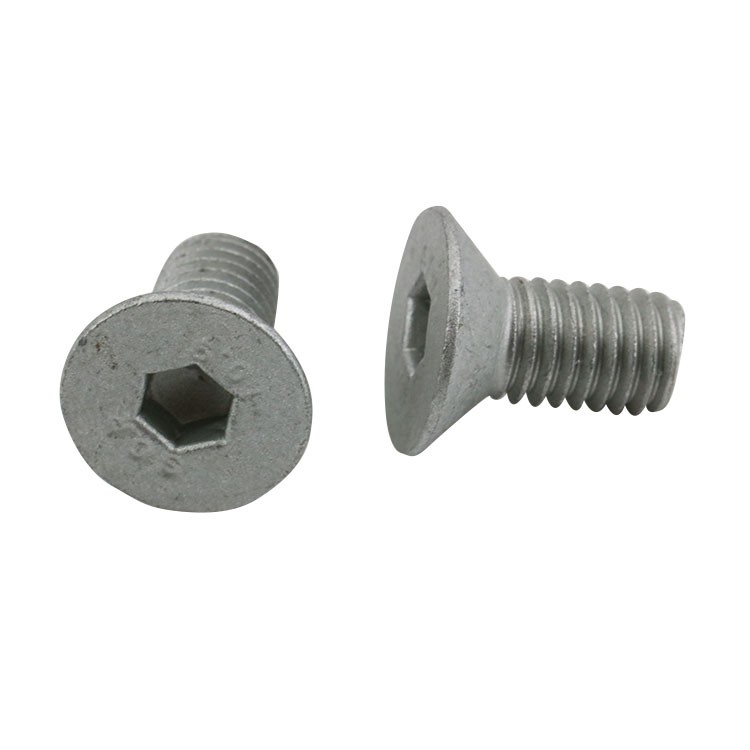
Countersunk Hex Head Bolt

Head

The head is the top part of a bolt. It serves as a gripping surface for tools. To tighten or loosen a bolt, a tool with the appropriate bit must grip the head. Most bolts have a wrench-type head.

Phillips Round Head Screw

Shank

The shank is located under the head. The shank is the smooth part of an unthreaded bolt. It should prevent radial movements of the joined workpieces. Without a shank, there is a greater chance that the bolt will loosen. Some workpieces generate vibrations, others are exposed to vibrations in their environment.

Phillips Round Head Screw

Grip Length

It is the part of the bolt that accommodates the parts which are to assemble. The grip length should be equal to the combined thickness of the joining parts.

Stainless Steel Stud Bolt

Threading

All bolts are threaded. Threading is what allows a bolt can be driven into or out of workpieces. Most bolts, however, are not entirely made up of threads. They have a head followed by a smooth shank and finally the threading.

Countersunk Hex Head Bolt

Thread Length 

It is the part of the bolt that accommodates the nut.

Hex Head Flange Bolt

Nominal Length

It is the sum of thread length and grip length.

Types of Bolt


Carriage Bolts
Carriage Bolts are a form of a self-locking bolt that affords a level of security by using a flush-mount domed head, which permits access to remove or loosen these bolts from the nut side of the bolt only.Beneath the domed head of the carriage bolt is a square section that can be inserted into a corresponding square cut that is slotted in the material being joined so as to provide the self-locking feature that allows the bolt to be tightened from the nut side without a need to restrain the head with a wrench.


Hex Bolts
Hex bolts, also called hexagon head bolts or hexagonal head bolts, are a very common form of bolt that is available in standard dimensional inch and metric sizes. Hex bolts are often used to fasten wood to wood, metal to wood, or metal to metal. Hex nuts and washers are typically used with hex bolts, the washers being valuable for situations where the material being joined is softer and may deform under the tightening force applied to the hex bolt.


U-Bolts
U-bolts are fasteners that are in the shape of the letter U, which contain two male threads, one on each end of the bolt on to which a mounting plate bracket and attachment nuts are placed. While most U-bolts feature a semi-circular profile, some have a squared-off shape.These fasteners are typically not fully threaded, as they function to clamp an object in place. They are used in a range of applications from supporting pipe to automotive use on drive shafts and exhaust systems. Some designs include rubber coating to preclude wear from the movement of metal against metal.Other designs of U-bolt add thick rubber gaskets to reduce the effect of vibration and to control noise. Non-metallic designs are also available for use in applications where there is a risk of the U-bolt making contact with an electrically powered conductor.


Lag Bolts
Lag screws are some of the toughest fasteners. These extremely sturdy fasteners are usually used to connect heavy lumber or other heavy materials that are bearing an intense load.These screws differ from normal wood, self-drilling or sheet metal screws. Compared to most ordinary screws, lag screws are massive in size. Most lag screws are at least one inch long and ¼-inch thick.


T-Head Bolts
T-head bolts or T-slot bolts feature a head design that enables it to be inserted into a slot or recess, thereby securing the bolt in place to prevent it from turning when the securing nut is tightened.T-bolts are used in applications such as securing fuel tanks in place where having access to both sides of the fastener may not be possible in all cases. The T-slot variety of T-head bolt can be fed into a channel in a machine called a T-slot track and may be used to secure an object at any position along the length of the channel.


Socket Head Bolts
Socket head bolts feature a recessed head that is tightened using an Allen wrench or hex socket tool. The head style of these bolts can vary from a cylindrical profile to a flat-head countersunk style to a domed button head design, depending on the desired use.The deeper recessed Allen socket head affords the ability to increase the torque applied to these fasteners while minimizing the risk of stripping or damaging the head. Socket head bolts are often referred to as socket head cap screws, depending on the supplier.


Shoulder Bolts
Shoulder bolts, also called stripper bolts, feature a threaded bolt section of smaller diameter than the shoulder of the bolt (the section of the bolt between the head and the beginning of the threaded portion).Shoulder bolts are useful for functioning as a shaft or axle that can contain a rotating part, such as a bearing or a bushing.


Penta-Head Bolts
Penta-head bolts are an example of a tamper-resistant bolt, which may be used in applications where it is desired to reduce the likelihood that a person armed with standard tools can loosen or remove the bolt.With the head of the bolt in the shape of a pentagon, a standard wrench or socket set will be incapable of being used on these bolts.


Round Head Bolts
Similar in appearance to carriage bolts, round-head bolts do not have the square taper beneath the domed head of the bolt and are typically used to join wood. The softer nature of wood permits the bolt to compress against the surface of the wood and grip by friction to preclude the bolt from turning when the nut is tightened.


Flange Bolts
Flange bolts, also known as frame bolts or serrated flange bolts, have a wide, flat surface under the hex head that acts as a washer, providing extra support and distributing the load evenly. They are often used in automotive and machinery applications.

Automotive Metric Flange Bolt
 
Materials of Bolt
 

Carbon Steel

Carbon Steel Due to its low cost and versatile strength, carbon steel bolts are one of the most commonly used bolt types. Carbon steel bolts are used in a variety of industries, including construction and automotive.


Alloy Steel

Alloy steel bolts are made by combining specific alloy components with carbon steel to improve mechanical quality. Alloy steel bolts are suitable for high stress applications and corrosion resistant conditions.


Stainless Steel

Stainless steel bolts contain chromium, which creates a protective oxide coating on the surface and provides good corrosion resistance. and stainless steel bolts are often used in applications where moisture or corrosive conditions exist.


Titanium

Titanium bolts are known for their high strength-to-weight ratio, corrosion resistance and biocompatibility. They are widely used in aerospace, medical and marine applications where weight reduction and adaptability to harsh environments are critical.

Brass

Brass bolts are made of copper-zinc alloy. They have good corrosion resistance, electrical conductivity and beautiful appearance.

Aluminum

Aluminum alloy bolts are lightweight and corrosion-resistant. As well as their use in applications where weight reduction is required, such as in the automotive and aerospace sectors.

Bronze

Bronze bolts are made of copper-tin alloy and have good corrosion resistance and high strength. And bronze bolts are made of copper-tin alloy, which has good corrosion resistance and high strength.

Nickel Alloy

Nickel alloy has strong temperature resistance, corrosion resistance and stress resistance. They are used in harsh environments such as aerospace, chemical processing and marine applications.

How to Choose Bolt


Bolt Material
The material of the bolt is crucial when choosing a bolt because it significantly impacts the strength and durability of the bolt. Bolts are typically made of steel, stainless steel, or titanium. Steel bolts are the most common type and are suitable for most applications. Stainless steel bolts are stronger and more resistant to corrosion than steel bolts, making them suitable for outdoor and marine applications. Titanium bolts are lightweight and stronger than steel bolts, making them ideal for high-performance applications.


Bolt Grade
Bolts are graded according to their strength, and the grade of a bolt is marked on the head of the bolt. The most commonly used bolt grades are Grade 2, Grade 5, and Grade 8. Grade 2 bolts are weak bolts and are suitable for light-duty applications. Grade 5 bolts are medium-strength bolts and are suitable for most applications. Grade 8 bolts are high-strength bolts and are suitable for heavy-duty applications.


Bolt Size
Bolt size is another critical factor to consider when choosing a bolt. The size of a bolt is determined by its diameter and length. The diameter of a bolt is measured across the shank of the bolt, and the length of a bolt is measured from the bottom of the head to the end of the shank. Bolts are available in standard sizes ranging from 1/4 inch to 1 inch in diameter and from 1 inch to 10 inches in length.


Bolt Head Type
The head of a bolt is the part that is visible above the surface of an object when the bolt is installed. The head of a bolt can be hexagonal, square, round, or countersunk. The most common head type is the hexagonal head, which is suitable for most applications. Square heads are commonly used in woodworking applications, while round heads are used in applications where a decorative finish is required. Countersunk bolts are suitable for applications where the head of the bolt needs to be flush with the surface of the object.


Bolt Thread Type
The thread type of a bolt is another critical factor to consider when choosing a bolt. Bolts come in coarse and fine thread types, with coarse threads being the most common. Coarse threads are suitable for applications that require a fast and secure hold, while fine threads are suitable for applications that require precision and stability.

How to Maintain Bolt


Keep Bolts Clean

Any dirt or debris that has accumulated on the bolts should be removed with a wire brush or cloth. This helps prevent rust and other damage that can shorten the life of the bolt. For example, if bolts come into contact with dirt or dust on the construction site, they should be cleaned with a wire brush or cloth before tightening.


Use Correct Torque Specifications

When tightening bolts, correct torque specifications must be used. Over-tightening a bolt may cause it to break, while over-tightening may cause the bolt to loosen. For example, when repairing a car engine, it is recommended to use a torque wrench to tighten bolts to the correct specification.


Check Bolts Regularly

Regular inspection of bolts is essential to identify any signs of wear or damage. The earlier a problem is discovered, the easier it is to repair it and prevent further damage. For example, if a bolt on the machine is loose, it must be tightened immediately to prevent it from falling off.


Replace Bolts If Necessary

Over time, bolts can become worn, corroded, or damaged. Replacing bolts that show signs of damage, rust, or wear is critical to keep your equipment running safely and smoothly.


Lubricate Bolts

Lubrication helps reduce friction, making it easier to tighten or loosen bolts. It also helps prevent rust and other forms of corrosion. For example, when working on a bicycle, it is recommended to lubricate the bolts with grease or oil to prevent rust.

 
Applications of Bolt

Mechanical Equipment Assembly

Bolts are often used in the installation and assembly of mechanical equipment, such as the structural assembly and maintenance of automobiles, aircraft, ships, etc. For example, a car uses bolted connections between its engine components and chassis components.

Building Structure Fixed

Bolts are also used to secure building structures, such as steel structures, large machinery and equipment, bridges and buildings. For example, bolts can be used to connect beams and columns in steel structures.

Electronic Equipment Assembly

Bolts are also often used in the assembly of electronic equipment and instruments, such as computers, communication equipment, medical equipment, etc. For example, bolts can be used to connect various components inside a computer.

Furniture Assembly

Bolts can also be used in furniture assembly such as tables, chairs, beds, etc. For example, various connection points on a bed frame can be connected using bolts.

Process of Bolt

Selection of Raw Materials
The raw materials of bolts are generally high-strength alloy steel or carbon steel. Different materials have different mechanical properties, and appropriate raw materials should be selected based on actual usage and load.


Forging Process
In the forging factory, the pre-heated raw materials are first fed into the forging machine. After multiple forging processes, the iron billet is gradually deformed into a threaded bolt shape. The purpose of the forging process is to improve the internal structure and performance of the material and increase the strength and toughness of the bolt.


Heat Treatment
Casted bolts need to be heat treated to obtain ideal material properties. Heat treatment is divided into three types: tempering, quenching and normalizing. The hardness, strength and toughness of the material are adjusted through high-temperature heating and rapid cooling.


Turning
In the turning workshop, workers will send the heat-treated bolts to the lathe for precision processing to ensure that the diameter and length of the bolts meet the requirements. Turning is an important part of bolt manufacturing.

Thread Processing

The thread processing of bolts is completed by thread milling, thread cutting, etc. The machining process requires multiple cuts until the accuracy and surface roughness of the threads meet requirements.

Surface Treatment

The purpose of bolt surface treatment is to enhance the anti-corrosion performance and aesthetics of the bolt. Surface treatment methods include galvanizing, phosphating, spray painting, etc. Different treatment methods can produce different effects. For example, galvanizing can improve the corrosion resistance and wear resistance of bolts, while phosphating and painting can improve the aesthetics of bolts and make them easier to match with surrounding components.

Product Testing

After the above multiple processes, the final bolt becomes the finished product. The quality and performance inspection of bolts is very strict. Qualified bolts should have certain strength, hardness, toughness and heat resistance. Inspection methods include metallographic testing, tensile testing, bending testing, hardness testing, etc.

How to Use Bolt
Hex Shoulder Bolt
Hex Shoulder Bolt
Allen Head Countersunk Bolt
Automotive Metric Flange Bolt

Selection
When selecting bolts, factors such as material, firmness, wear resistance, and corrosion resistance should be considered based on actual usage conditions. Common bolt materials include carbon steel, alloy steel, stainless steel, galvanized steel, etc. The selection should be judged according to the use environment, such as moisture, acid and alkali, etc. When purchasing, you can choose according to the firmness level of the bolts, such as level 4.8, level 8.8, level 10.9, etc. Different levels represent different load-bearing capacities. Additionally, factors such as thread type, bolt length, nut type, etc. need to be considered.


Preload
Pre-tightening refers to tightening the bolt to a certain extent before the bolt is connected, so as to tightly combine the bolt with the parent body and ensure the firmness of the bolt during the tightening process. The size of the pretightening force should be comprehensively calculated based on factors such as bolt specifications, usage environment, working load, and tightening tool slack. After pre-tightening, the bolts should also be locked.


Tighten
When tightening bolts, use the correct tools and tighten them to the specified tightening torque. During use, avoid the influence of eccentric force on the bolts and ensure that all bolts are tightened evenly. In the installation of bolts on large mechanical equipment such as ships, layering is also required to ensure the parallelism of the continuous steel plates.


Loose
Due to changes in the use environment, changes in working conditions, etc., the bolts may loosen or crack. In this case, the bolts need to be adjusted and replaced in time. Loose bolts need to be dealt with through disassembly, inspection, replacement of parts and other measures. During the disassembly process, attention should be paid to the use of disassembly tools and corresponding operating specifications.


Maintain
Correct maintenance is an important measure to ensure the service life of bolts. The health of the bolts should be checked regularly and weak parts should be replaced in time. Bolts with severe corrosion should be polished with grinding wheels or anti-corrosion bolts should be selected.

How to Install Bolt
1

Prepare Tools and Materials: Before installing the bolts, the necessary tools and materials must be prepared to ensure a smooth installation. Tools that need to be prepared include wrenches, wrench collars, wrench ball heads, wrench extension rods, and bolt special-shaped head wrenches. Materials required include bolts, nuts and washers. It is recommended to use bolts and nuts of the same grade.

2

Place and Clean the Bolts: Place the bolts on a clean work surface and clean them before installing them. Cleaning removes dirt and grease from the surface of the bolt, making it easier to install. When cleaning, you can use cleaning agents such as detergents and detergents to remove stubborn dirt. Before installation, make sure the threads of the bolts and nuts are completely clean.

3

Choose the Right Bolts and Nuts: When installing bolts, the correct bolts and nuts must be selected. Select bolts of length and diameter that match the application to which they are to be installed. It is recommended to use bolts and nuts of the same grade. Choose gaskets that match the bolts and nuts. This will ensure that the bolts and nuts lock properly when in use.

4

Install Spacers and Bolts: When installing bolts, place the correct gasket on the bolt first. Then place the bolt into the hole at the desired location, making sure there are no obstructions inside the hole. Use a hand-held wrench to begin tightening the bolt, making sure it does not slip out. Before tightening the nut, make sure the bolt is inserted into the hole and accurately positioned.

5

Tighten the Nut: Before tightening the nut, make sure the bolt is inserted into the hole and positioned accurately. Use a wrench to tighten the nut, but do not overtighten, which can cause excessive stress on the metal and break the bolt. When tightening the nut, do not pinch the nut with your fingers as this will increase the chance of injury.

6

Use Wrenches and Extension Rods: If you cannot tighten the bolts and nuts manually, you can use a wrench and extension rod. At this point apply the appropriate extension rod length and use the wrench interface to connect the wrench to the nut. Apply enough upward pressure so that the nut is properly seated and avoid over-speeding up the process of tightening the bolt.

7

Use a Special-Shaped Head Wrench to Secure the Bolts: For some special applications, the bolts need to be fixed in different directions, which requires the use of special-shaped head wrenches. Use a special-shaped head wrench and follow the instructions on the tool manual. This process needs to be done slowly and carefully, making sure everything is done correctly.

8


Examine: After installing the bolts, you need to check that they are properly seated and locked. Place the wrench on the nut and apply appropriate force to ensure the nut is over-tightened. Nuts that are too tight may need to be loosened further to ensure correct red line position. During inspection, you should also check that the bolts are in place and locked to prevent them from loosening or slipping. After the inspection, ensure that the results of the inspection are recorded in good documentation.

Frequently Asked Questions
 

Q: What is a Bolt Fastener and how does it work?

A: A bolt fastener is a type of mechanical fastener that uses a threaded bolt and a nut to join two or more objects together. The bolt consists of a cylindrical shank with a helical thread, which is inserted into a corresponding threaded hole in one of the objects to be joined. The nut is then threaded onto the bolt, and tightened using a wrench or socket, causing the shank to be pulled towards the nut and the two objects to be pressed firmly together.

Q: What materials are used in making Bolt Fasteners?

A: Bolt fasteners can be made from a variety of materials, including: Steel - The most common material for bolt fasteners due to its strength and durability. Stainless Steel – A strong, durable, corrosion-resistant material. and brass - a softer and more malleable material used in decorative applications.

Q: What are the different types of Bolt Fasteners?

A: There are many types of bolt fasteners, including: Hex bolts, these bolts have six faces and a threaded shaft. They are commonly used in construction, automotive and mechanical applications. Carriage Bolts: These bolts are designed with a round head, square neck underneath. They are commonly used in wood applications where the square neck prevents the bolt from rotating when tightened.

Q: What are the benefits of using Bolt Fasteners over other fastening methods?

A: Made from materials such as steel, stainless steel, titanium and other advanced alloys, bolted fasteners offer superior strength and durability compared to other fastening methods such as adhesives or rivets. and bolted fasteners are used in a variety of applications, including the automotive, aerospace, construction, and manufacturing industries. They can also be customized to meet specific requirements.

Q: What industries commonly use Bolt Fasteners?

A: Bolt fasteners are commonly used in various industries such as construction, automotive, aerospace, manufacturing, marine, and agricultural. They are often used to connect two or more objects or parts of machinery together and are designed to provide a stable and reliable joint. Bolt fasteners are also used in various applications like building structures, bridges, pipelines, machinery assembly, furniture, and many more.

Q: What is the difference between a Bolt and a Screw?

A: Bolts and screws are similar in that both are fasteners used to join two or more objects together. However, there are some key differences between the two: Thread Direction: Bolts typically have external threads that require a nut to tighten. Screws, on the other hand, have internal threads that allow them to be fastened directly into the material.

Q: Can Bolt Fasteners be reused?

A: It depends on the type of Bolt Fastener and how it was used. In general, Bolt Fasteners can be reused if they are still in good condition and have not experienced excessive wear or damage. However, it is crucial to check the manufacturer's guidelines and specifications before attempting to reuse a Bolt Fastener. Proper inspection and maintenance of Bolt Fasteners can help ensure their safe and effective reuse.

Q: What is the maximum torque that Bolt Fasteners can handle?

A: The maximum torque that a bolted fastener can withstand depends on a variety of factors, such as the bolt's size, material, and thread pitch, the tightening technique used, and the materials being joined. It is recommended to consult the manufacturer's specifications or consult a professional engineer for appropriate torque ratings for your specific application.

Q: What factors affect the strength of Bolt Fasteners?

A: The material used in bolts and nuts affects the strength of fasteners. The most commonly used materials are steel, stainless steel, and titanium. And the thread design of bolts and nuts affects the strength of fasteners. The threads must be matched and tightly meshed to ensure a secure connection. Finally, the torque applied at the time of installation affects the strength of the fastener. Overtightening can cause the bolt to break, while overtightening can cause the connection to fail.

Q: What is the standard metric measurement for Bolt Fasteners?

A: The standard metric unit of measurement for bolted fasteners is the millimeter (mm). The diameter of the bolt (e.g., M6, M8, M10) and the length of the bolt are specified in millimeters. If you want to know more sizes, please check the official website for detailed information.

Q: Are bolt fasteners waterproof?

A: It depends on the type of bolt fastener. Some bolt fasteners, such as stainless steel bolts, are inherently more resistant to water and corrosion than others. However, most bolt fasteners are not completely waterproof and may be subject to rust or corrosion over time if exposed to water. To ensure the best long-term performance, it is important to select the appropriate bolt fastener for the specific application and consider any necessary waterproofing measures.

Q: Can you use Bolt Fasteners in outdoor applications?

A: Yes, Bolt Fasteners can be used in outdoor applications; however, it is important to choose the right material based on the environment and application. Stainless steel or galvanized bolt fasteners are commonly used in outdoor applications as they are resistant to corrosion and can withstand harsh weather conditions. It is always recommended to consult a professional for selecting the right type of bolt fastener for your outdoor application.

Q: What is the expected lifespan of a Bolt Fastener?

A: The expected lifespan of a bolt fastener depends on many factors, such as the material used, the environment it is exposed to, the level of stress it undergoes, and the quality of the fastener itself. In general, a well-made and well-maintained bolt fastener can last for decades or even centuries. However, in harsh environments or when subjected to extreme stress, a bolt fastener may fail much sooner. It is important to regularly inspect and replace bolt fasteners to ensure the safety and longevity of structures and equipment.

Q: How do you properly tighten Bolt Fasteners?

A: Use the right tools: Make sure the wrench or socket you use is the right size for the bolt. As well, hand-tighten the bolts to make sure they are seated and aligned correctly before using the tool. Finally, use a torque wrench to apply the correct amount of force to the bolt. Check the manufacturer's specifications for the correct torque setting.

Q: How do you prevent Bolt Fasteners from loosening over time?

A: Use a torque wrench to tighten fasteners to manufacturer's specifications. This will ensure the fasteners are tightened to the correct level and reduce the risk of over-tightening. and the use of lock washers or stiffeners to prevent fasteners from loosening due to vibration; a lock washer is a washer with teeth or ridges that clamps onto the surface of the material and prevents the fastener from rotating or loosening.

Q: What is the manufacturing process for Bolt Fasteners?

A: The manufacturing process of bolt fasteners typically involves the following steps: Wire drawing: Raw material (usually steel or aluminum) is drawn through a series of dies into wire of the desired diameter. Heading: Wire is cut to the appropriate length and then cold formed into the bolt head. This is done by using a heading machine to compress the wire into the desired shape.

Q: What is the difference between a fully threaded Bolt and a partially threaded Bolt?

A: A fully threaded bolt has threads along the entire length of the bolt shaft, while a partially threaded bolt only has threads on a portion of the shaft. The purpose of a partially threaded bolt is to allow for more flexibility and adjustability in the placement of the nut and the tension of the bolt. Fully threaded bolts are typically used in situations where the joint or connection requires more strength and stability, as the fully threaded bolt provides a more uniform clamping force.

Q: Can Bolt Fasteners be used in high-pressure applications?

A: Bolt Fasteners can be used in high-pressure applications as long as they are of the appropriate material and grade for the specific application. The selection of the correct fastener material and grade is critical to ensure that the fastener can withstand the high pressure and maintain its integrity. In such applications, it is important to follow industry standards and guidelines for selecting bolting materials, torque values, and installation procedures. It is also recommended to consult with a reputable bolt fastener supplier or a professional engineer for guidance on selecting the appropriate fastener for high-pressure applications.

Q: How do you select the correct Bolt Fastener for your project?

A: Bolt fasteners can be made from different materials such as stainless steel, carbon steel, brass, titanium, etc. The material you choose will depend on the specific application and the environment in which it will be used. And the size of the bolt fasteners you choose will depend on your project requirements and expected load capacity. Make sure to measure the diameter and length of the bolt to choose the correct size.

Q: How do you maintain and replace Bolt Fasteners?

A: Check bolts and nuts regularly for signs of corrosion, wear, or damage. As well as keeping bolts and nuts clean and free of dirt and debris. Finally, check that the bolts are tightened to the correct torque and retighten if necessary.

As one of the most professional bolt manufacturers and suppliers in China, we're featured by quality products and good service. Please rest assured to wholesale custom made bolt at competitive price from our factory.

stainless steel flanged hex bolts, stainless steel stamping part, 3 8 inch x 4 inch carriage bolts

(0/10)

clearall