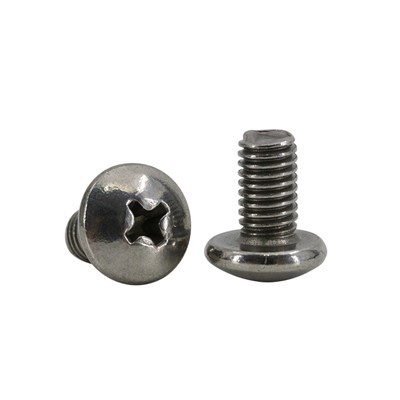
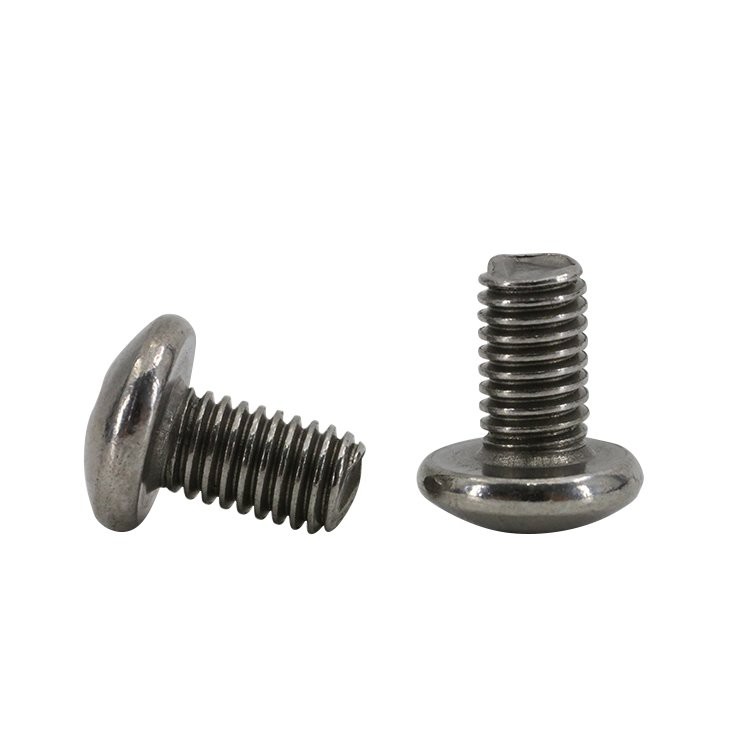
Q: What is a screw and how does it work?
A: A screw is a simple machine that consists of an inclined plane wrapped around a central shaft, forming a helix-like thread. Screws are typically used to fasten two objects together by applying a twisting force to the screw using a screwdriver or other tool. When the screw is turned clockwise, the thread slides into the surface it is being screwed into, creating a mechanical force that pulls the two objects together. The thread also prevents the screw from slipping out, ensuring a secure connection.
Q: Are screws resistant to corrosion?
A: It depends on the material of the screw. Some materials such as stainless steel and bronze are known for their resistance to corrosion. However, other materials such as plain steel and zinc-coated steel are more prone to corrosion. Additionally, screws can be treated with coatings or platings to enhance their resistance to corrosion. Overall, it is important to choose the right material and coating for the intended application to ensure the longevity and performance of the screw.
Q: What are the different types of screws and their uses?
A: Wood Screws - Used to secure wood to wood or wood to metal.
Machine Screws - Used to fasten metal parts together through nuts or threaded holes.
Lag Screws - Used to secure heavy objects to wood or concrete.
Sheet Metal Screws - Used to secure thin materials to metal or wood.
Q: What materials are commonly used to make screws?
A: Common materials used to make screws include steel, brass, aluminum, bronze, titanium, nickel alloy, and various types of plastics and composite materials. The specific material used depends on the application and desired strength, corrosion resistance, and temperature resistance of the screw.
Q: How to measure the size and strength of screws?
A: To measure the size of a screw, use a screw gauge or caliper to measure the diameter of the screw. To measure the strength of the screw, refer to the grading system for the particular material of the screw (such as ASTM for metal screws). The higher the grade, the stronger the screw. Additionally, the coating of the screw can affect its strength and corrosion resistance, so be sure to take that into account as well.
Q: What is a screwdriver?
A: A screwdriver is a hand-held tool used for driving or removing screws. It usually consists of a handle, a shaft, and a tip that fits into the head of a screw. The handle is typically made of plastic or wood, while the shaft and tip are usually made of steel. There are different types of screwdrivers, each with a unique shape of the tip, such as Phillips, flathead, Torx, and Allen.
Q: What is the difference between bolts and screws?
A: Bolts are externally threaded, which means they have external threads that thread into internal threads on other objects. Screws, on the other hand, have internal threads that can be screwed into external threads or directly into the material. And bolts are typically used in applications that require more secure and durable connections, such as machinery and construction. Screws are used in a wider range of applications, from fastening furniture to securing electrical components.
Q: How do you choose the right screw for a specific project or application?
A: Different materials require different types of screws, such as wood, metal, or plastic. And if you're attaching something heavy, you'll need screws with a higher load-bearing capacity. Finally, make sure the screw is long enough to secure the object, but not so long that it protrudes to the other side.
Q: What are threaded screws?
A: Threaded screws are screws with helical threads or ridges on their shafts. These threads allow the screw to be inserted into a material with rotational force, and the threads will bite into the material, holding the screw in place. Threaded screws come in a variety of sizes and finishes, and they are used in a wide range of applications, from construction to electronics.
Q: How does the pitch of a screw affect its performance?
A: The pitch of a screw affects its mechanical efficiency, that is, the amount of force the screw can generate. A smaller pitch will result in a higher mechanical advantage, while a larger pitch will result in a lower mechanical advantage. And the pitch of the screw will also affect its efficiency. The greater the pitch, the more revolutions required to move the screw a given distance. This means that a screw with a larger pitch requires more effort to turn and is less efficient than a screw with a smaller pitch.
Q: What is the maximum torque and force that a screw can withstand?
A: The maximum torque and force that a screw can withstand depends on a variety of factors such as its size, material, pitch, and thread depth. There is no universal answer to this question as it can vary greatly depending on the specific screw in question. The manufacturer of the screw should provide specifications detailing its maximum torque and force capacity.
Q: What is the difference between coarse threads and fine threads on screws?
A: Coarse threads have larger pitch distance between each thread, meaning fewer threads per inch, while fine threads have smaller pitch distance between each thread, meaning more threads per inch. Coarse threads provide faster installation and are better suited for materials with weaker tensile strength, while fine threads offer better grip and are ideal for materials with stronger tensile strength.
Q: What is the significance of the thread angle on a screw?
A: The thread angle on a screw determines the amount of force required to turn the screw and the direction in which it moves. A steeper thread angle results in a greater force required to turn the screw, but the screw moves a shorter distance per turn. A shallower thread angle results in less force required to turn the screw, but the screw moves a greater distance per turn. The thread angle also affects the self-locking ability of the screw, which determines whether it will stay in place or gradually loosen over time.
Q: How to prevent screws from loosening or falling off?
A: Please select the correct screw size and type for the job. And use locking washers, such as split washers or star washers. As well as tightening the screws to the appropriate torque setting. Finally, consider using spring-loaded pins, cotter pins, or safety wire to secure the screws.
Q: How to remove loose or stuck screws?
A: Try to use a screwdriver that is suitable for the size and shape of the screw. Use enough force to turn it, but not too much force or you may cause the screw to dislodge or damage the surrounding material. Second, try applying pressure to the screw by pushing down on the screw with a screwdriver while turning it. This can help grip the screw and make it easier to remove. Finally, if the screw head is dislodged or damaged, try using pliers or a vise to grasp the screw firmly and turn it. This usually provides enough leverage to remove a stuck or dislodged screw.
Q: What are self-tapping screws and where are they used?
A: Self-tapping screws are fasteners that have a pointed end and sharp threads that allow them to create their own threaded hole as they are screwed into a material, such as metal, plastic or wood. They are used in applications where a thread needs to be created in a material that is too thin or too soft to support a pre-threaded insert.
A: Wood screws are specialized screws designed to attach two pieces of wood together or attach wood to other materials, such as metal or plastic. They typically have a pointed tip and coarse threads that grip the wood tightly, preventing the screw from backing out under load or vibration. Wood screws come in a variety of sizes, lengths, and head types, including flat, oval, and round heads. Some wood screws also have a countersunk head that sits flush with the wood surface, making them ideal for finishing work or cabinetry.
Q: Can screws be reused or recycled?
A: Screws can be reused if they are still in good condition and have not been stripped or damaged. However, if they are no longer usable, they can be recycled by being melted down and formed into new metal products. It is recommended to properly dispose of damaged or unusable screws in a recycling or scrap metal facility instead of throwing them in the trash.
Q: How are screws used in machinery and mechanical systems?
A: Screws are commonly used to fasten parts and components of machines together. They can be used to join two or more parts together to create a structure or to secure parts in place. and screws for adjustments or fine-tuning of machines or mechanical systems. They can be used to adjust the tension of a belt or chain or adjust the position of parts in a machine.
Q: What safety precautions should be followed when using screws?
A: Wear protective goggles to protect your eyes from possible eye injuries from flying debris or metal shavings. And use a screwdriver that fits the screw head to prevent the screw from slipping or falling out. Finally, store screws in a safe location, such as a container with a lid, to prevent them from spilling or scattering on the floor and creating a tripping hazard.